
1 big thing: Music’s role in social-emotional learning
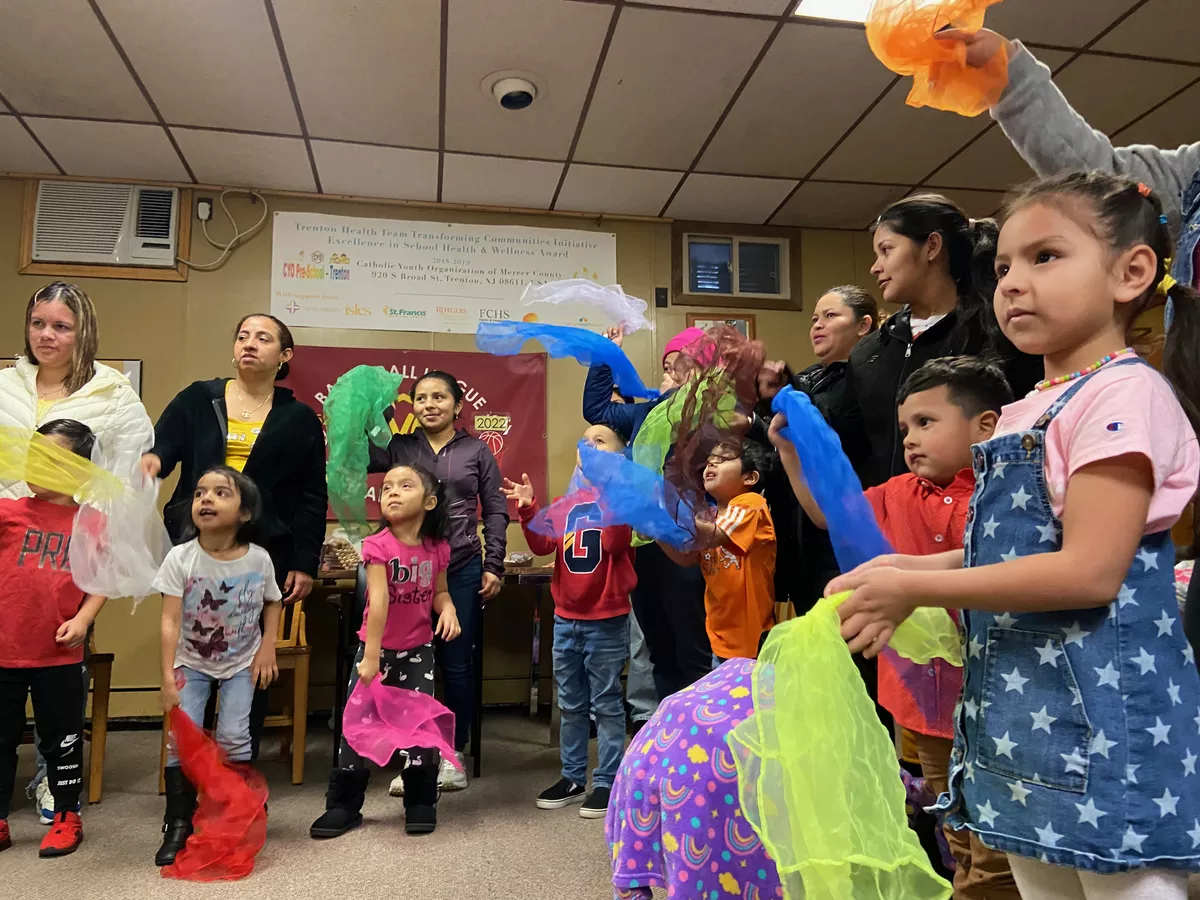
Music joyfully creates and strengthens bonds between caregivers and children. A timeless form of expression and communication, music influences behavioral changes at every age. Music and arts education improves development and educational achievement in early childhood by building necessary social-emotional skills.
Early music education boosts neurological, social-emotional, and self-development:
- In early childhood, at least 1 million new neural connections are made every second – more than at any other time. This enhances a child’s imagination and increases the amount of dopamine in the brain, which counteracts stress.
Singing, playing instruments, or dancing together:
- Inspires such cooperative and helpful behavior as problem-solving skills and goal-setting
- Creates trust, fosters group cohesion, and strengthens community
- Increases emotional recognition and regulation, respect for others, and effective non-verbal communication
Active parental involvement benefits babies: Infants whose caregivers participate with them in music classes develop more sophisticated emotional and social regulation and communicative gestures. And they smile more. 😊
Adults benefit too:
- Early music education classes provide community and social stimulation to caregivers.
- Improving bonds with children through music reduces depression among caregivers.
Exposure to diverse musical traditions connects caregivers and children to shared cultures and communities with different languages. Knowing the same songs as each other and learning new ones together boosts young children’s sense of belonging and understanding.
- Capital Harmony Works’ Music for the Very Young uses Music Together’s curriculum and materials to train preschool teachers to use music effectively in their classrooms. The work engages families in learning and represents students’ cultural heritage, along with that of many other cultures, in the music used by teachers.
Here’s how to incorporate music into early learning at home:
- Greet children with songs
- Develop your own music, rhythms, sounds, or lyrics together
- Experiment with instruments or household items (for example, using drinking glasses to make musical sounds)
- Create a repertoire of songs about shapes, colors, and other topics that promote development
- Let songs serve as rituals in your child’s life, such as songs for waking up, for returning home after activities, for meals or baths, and of course lullabies for the end of the day
🎧 Listen here to Capital Harmony Works’ classroom playlist. Music helps children discover their personalities by heightening improvisation, creative thinking, and confidence.
2. Music heals toxic stress
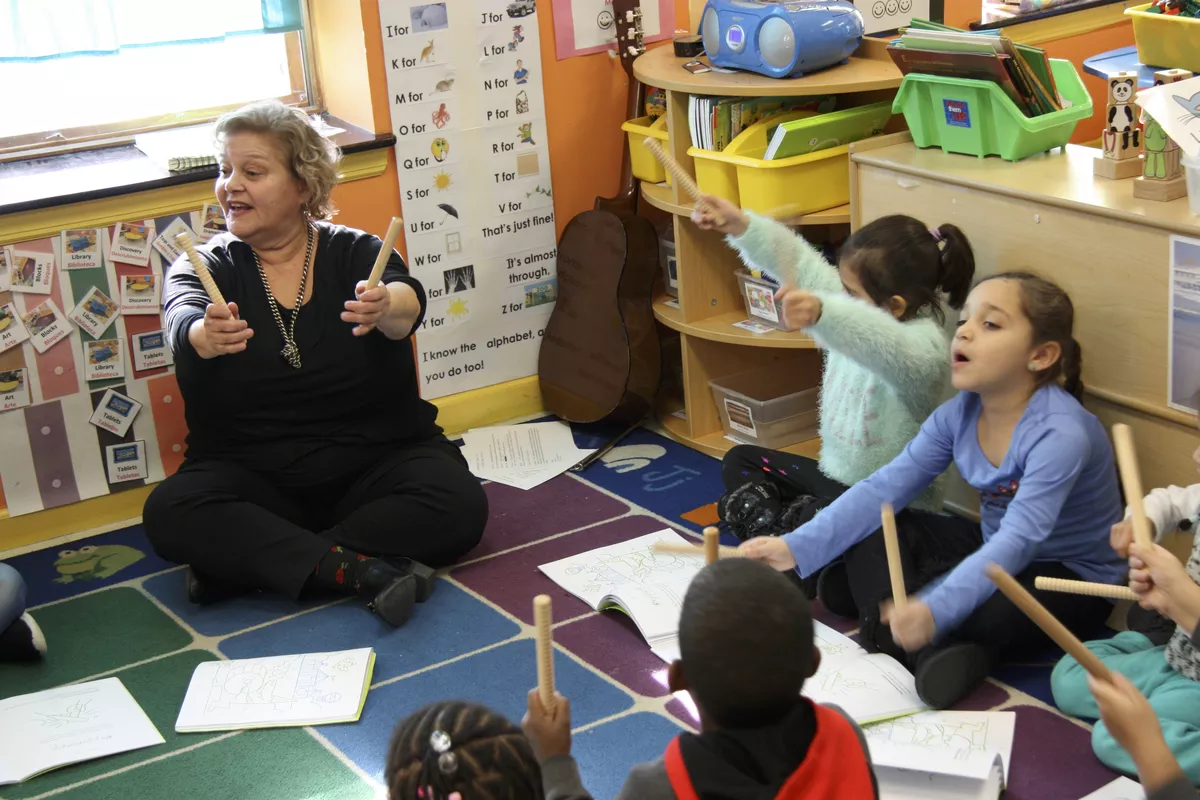
Making music is an antidote to stress in early childhood that can harm children’s lifelong social, emotional, and physical health. High levels of toxic stress — the prolonged activation of the body’s stress management system — can result in:
- Greater risk of such health disorders as depression, anxiety, alcoholism, drug abuse, diabetes, and strokes
- Suppressed immune responses
- Impaired learning, memory, and stress response regulation
Research finds that making music part of early childhood education is associated with extended positive impacts on children’s cortisol levels.
Children’s cortisol levels were lower after music, dance, and visual arts classes compared to after homeroom classes, one study found. It analyzed the impact of music, dance, and visual arts classes on children attending the Settlement Music School’s Kaleidoscope Preschool Arts Enrichment Program, a Head Start site in Philadelphia.
- Cortisol levels began to fall after arts classes during the middle of the school year and stayed lower through the end of the year.
3. One smile to go: Carnegie Hall Lullaby Project

We fell in love with Carnegie Hall’s Lullaby Project, a program Carol introduced us to, which pairs parents with musicians to write custom lullabies for their babies.
The project began in 2011, when staff at the Bronx-based Jacobi Medical Center’s OB/GYN department approached Tom Cabaniss — a teaching artist at Carnegie Hall and professor at the Juilliard School — to provide a songwriting workshop for pregnant teenagers struggling to bond with their babies.
You can feel the nurturing come through in such lyrics as:
- “I knew then that you are so much more than the eyes can see. I pray you will always know this. ” — “Darling Xander” by Myrtho
- “From the mountains to the moon to the stars and back to you, we will walk beside you.” — “Beside You” by Gio and Kaiden
The Lullaby Project has written songs with more than 2,800 families. In New York City, the Project serves families in healthcare settings, homeless shelters, high schools, and correctional facilities. The Project helps organizations in the US and worldwide start their own programs.
🎧 Click here to listen to more of the project’s lullabies.