
1. A universal system of support

Babies experience extraordinary changes in the first months of life. They learn how to focus on objects and faces, share their first smile, and reach many more exciting milestones. For parents, though, this period can bring difficulties adjusting to life with a newborn and uncertainty about how best to achieve healthy child development. Without support, parents of newborns can feel overwhelmed and isolated amid all the changes on top of the burden of caregiving responsibilities.
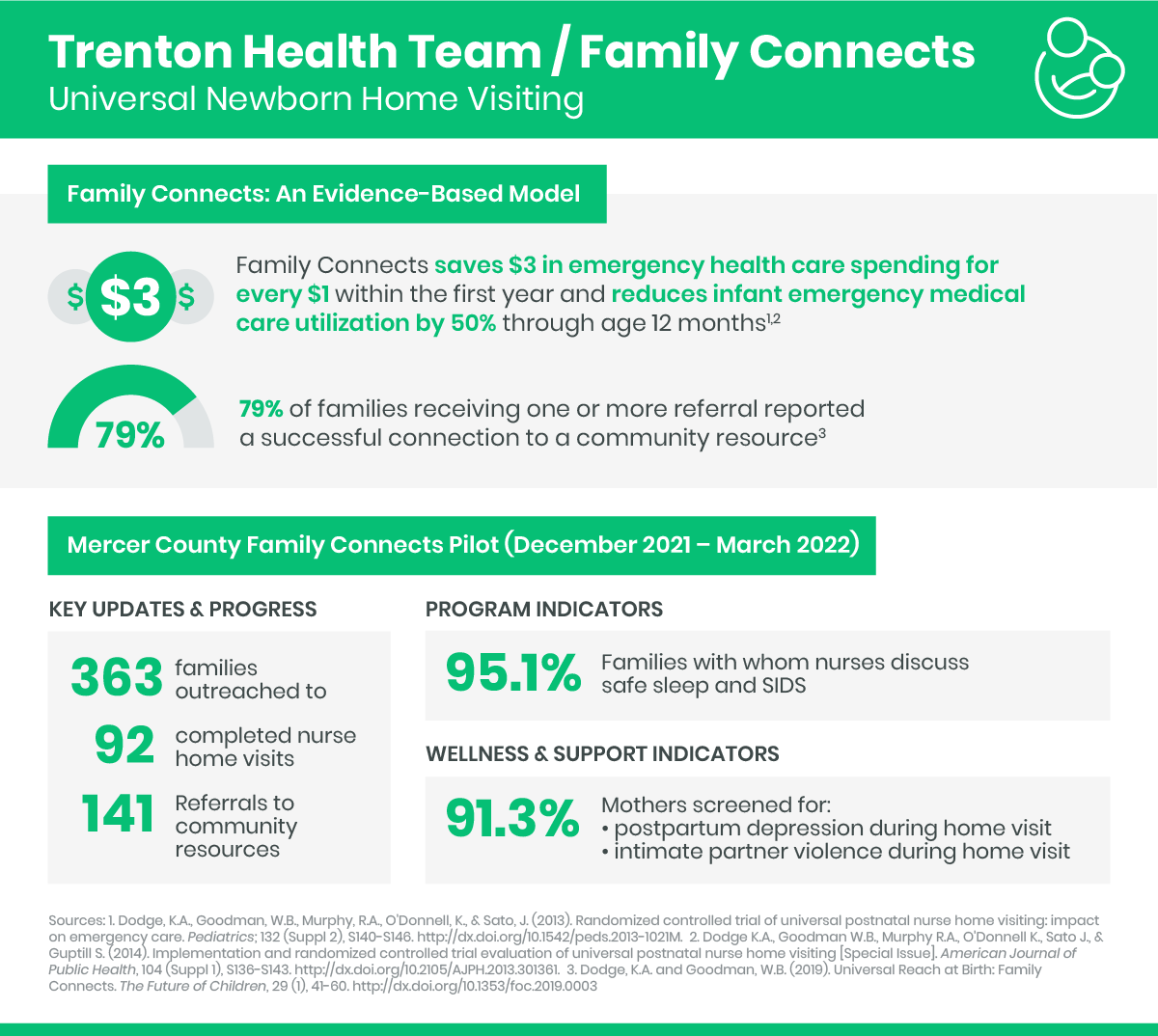
Family Connects, an evidence-based model, addresses the importance of this critical window in a child’s life by providing resources and support to all families – regardless of socioeconomic status — in the form of a nurse visiting families in the days and weeks following birth. Each visit includes a comprehensive assessment of infant and family wellbeing and the nurses connect families to community resources as needed.
Updates from Mercer County, NJ: Recognizing the value of universal newborn home visiting, Burke is investing in a Family Connects pilot with the New Jersey Department of Children and Families, Trenton Health Team, and Central Jersey Family Health Consortium.
Since December, the program has served 363 families, completed 92 nurse home visits, and made 141 referrals to community resources. The nursing staff includes 2 Spanish speakers.
Statewide implementation: In 2021, New Jersey became the second state to establish a statewide universal newborn home visiting program and appropriated $2.75 million to the New Jersey Department of Children and Families to plan and implement the program. In his proposed Fiscal Year 2023 budget, New Jersey Governor Phil Murphy included an additional appropriation of $8.5 million to support rollout of the program.
“I am grateful to have found public health nursing as I am able to help families at the preventive level and connect with them on a very personal level — which makes me feel fulfilled and accomplished in the work I do. The virtual home visiting model has been vital in staying connected with our communities and providing guidance during the disruption of the pandemic.”
– Grysmeldy Gonzalez, BSN, RN, Senior Home Visiting Nurse, Family Connects
2. A bridge to better care

Doulas do a lot. Community doulas provide physical, emotional, and informational support to mothers before, during, and just after birth. These trusted caregivers live in the same communities as the people they serve, which helps them advocate for families, navigate complex health systems, and get the culturally-congruent care that can help reduce New Jersey’s glaring racial disparities in maternal/infant health.
By providing culturally-congruent care, community doulas reduce stress during the perinatal period and improve mental, maternal, and child health.
The Burke Foundation is committed to building and supporting the community doula workforce in New Jersey through two initiatives: the AMAR Community Doula Program at the Children’s Home Society of New Jersey and Community of Caring: The Paterson Doula Cooperative at the Partnership for Maternal and Child Health of Northern New Jersey.
- The Partnership is training its first cohort of doulas — 13 trainees who speak 8 languages: Arabic, Bangla, Greek, Hebrew, Hindu, Spanish, Urdu, and Sign Language.
- AMAR has trained 23 bilingual doulas and the organization recently supported the birth of its 100th baby. 🎉
- AMAR community doulas have contributed to a 75.3% reduction in preterm births and a 76.8% reduction in low birthweight babies.
Growing the doula workforce, sustainably: Increasing the number of community doulas is an important step in addressing racial disparities in maternal and child health. But doulas need support, too — in the form of compensation at a level enabling them to provide for their own families in addition to the communities they serve. We’re working with community doulas to design workforce expansion plans centered on their lived experiences and preferences because — like people working in other fields —they know best what it takes to meet their needs. Our goal is to link trained community doulas to viable employment opportunities with living wages and develop career pathways in various employment settings.
3. Transforming the provider-patient relationship
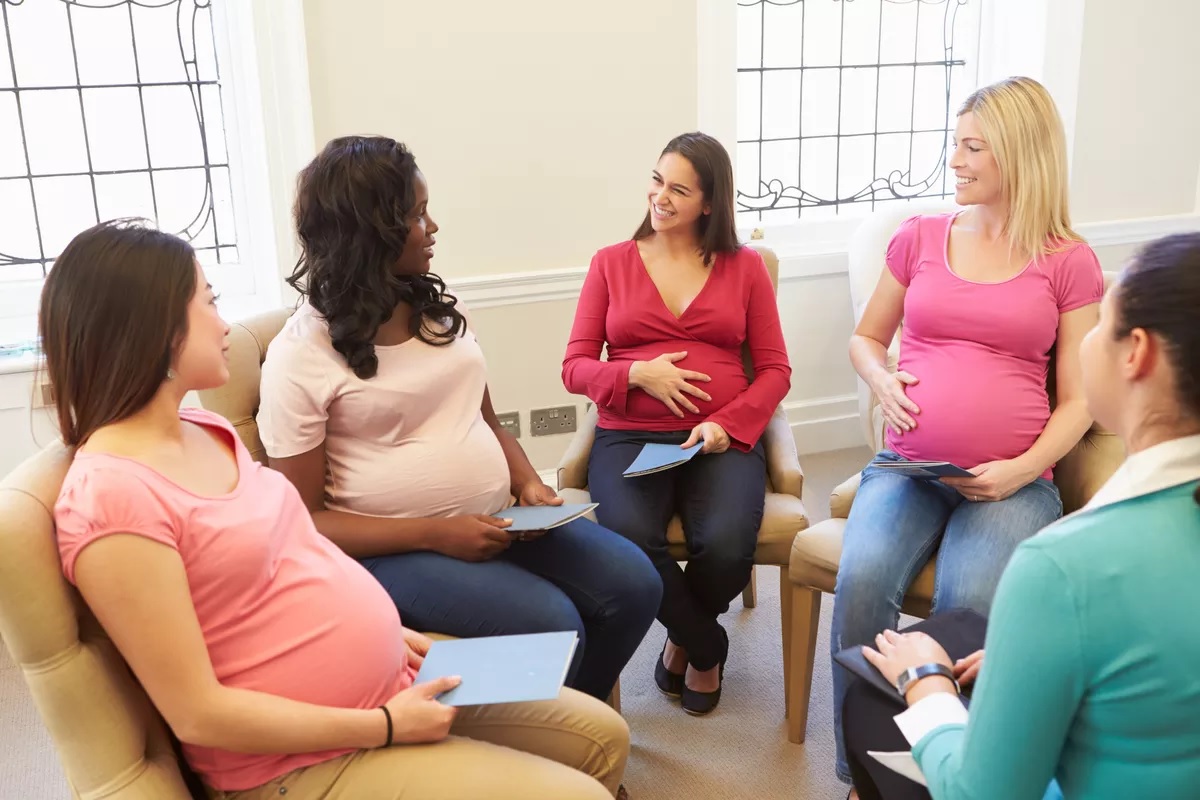
Sadly, 700 women die from pregnancy-related complications in the US every year. Yet, 60% of these deaths are preventable. A survey analyzing the lived experiences of maternity care in the US found that one in six women experienced mistreatment from their providers, such as:
- Being shouted at, scolded, or threatened
- Being refused care
- Receiving no response to a request for help
Rates of mistreatment were even higher for women of color and those with low incomes. Initiatives like the CDC’s Hear Her Campaign encourage those who support pregnant and postpartum women to listen when told that something doesn’t feel right. Other initiatives challenge how care is delivered and upend the power dynamic between provider and patient.
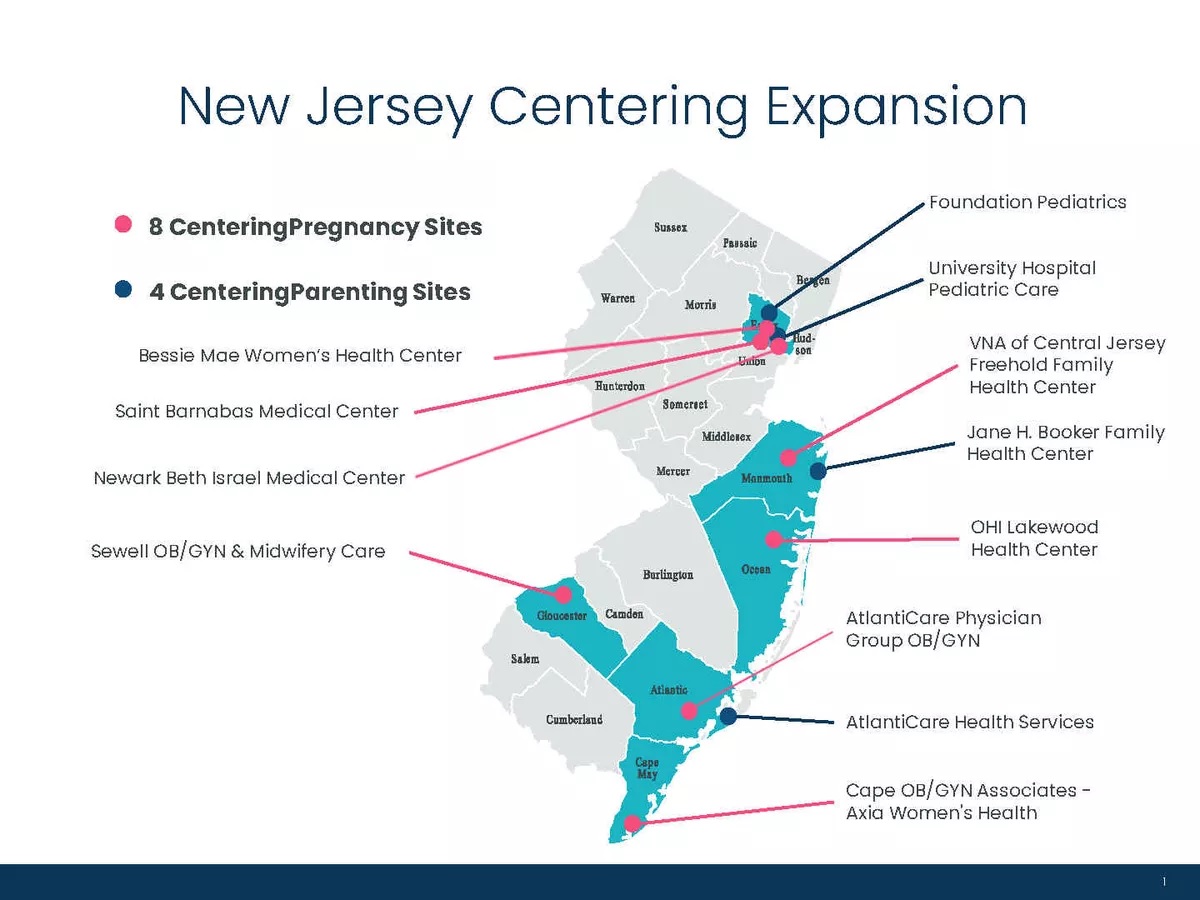
A new status quo: Centering is a relationship-based innovation to provide better healthcare. CenteringPregnancy brings together small groups of expectant mothers; in CenteringParenting, the groups are made up of caregivers and newborns. Both models give patients the benefits of one-on-one time with clinical providers, interactive learning, community building, social support, and health assessments. Patients build a community of peers and feel respected and heard by their providers.
Expanding the Centering model: A goal of our First 1,000 Days strategy is to scale Centering to 50 New Jersey sites over 5 years. Partnering with the Centering Healthcare Institute, we’ve expanded to 12 sites to date. Working with the New Jersey Chapter, American Academy of Pediatrics, we’re increasing awareness of Centering among providers and patients and helping build a peer learning community of clinical sites.
4. HealthySteps: A much-needed lifeline during the pandemic
Families with young children have faced overwhelming challenges during the pandemic, including fear of a family member getting sick, financial insecurity, difficulties accessing childcare services, and social isolation. These challenges brought on unprecedented levels of parental stress, which threatens the health and wellbeing of families and young children. A national survey of families with young children during the pandemic found that:
- 32% had difficulty paying for basic needs such as utilities, food, and housing
- 43% of parents had trouble finding childcare
Yes, but: Families identified external sources of support – such as extended family, friends, and coworkers – as the most helpful resource in coping with stress during the pandemic.
The importance of additional support: Karma Campbell, mother of two young boys, reflected on her experience receiving external support during New Jersey First Lady Tammy Murphy’s “Ask the Expert” livestream. She was referred to a developmental pediatrician, but was told there were no available appointments for 5 months. Then, Karma’s HealthySteps specialist intervened and, two weeks later, they were seen. Karma’s son was diagnosed with autism earlier than he would have been if she had to wait for an appointment and was referred to additional resources and specialists.
Programs like HealthySteps – a national initiative providing families with early childhood development support during pediatric visits – are crucial to helping parents during the pandemic. HealthySteps specialists provide developmental, behavioral, social, and emotional screenings and make referrals to community resources as needed. They can also help families like Karma’s navigate the often complex healthcare system.
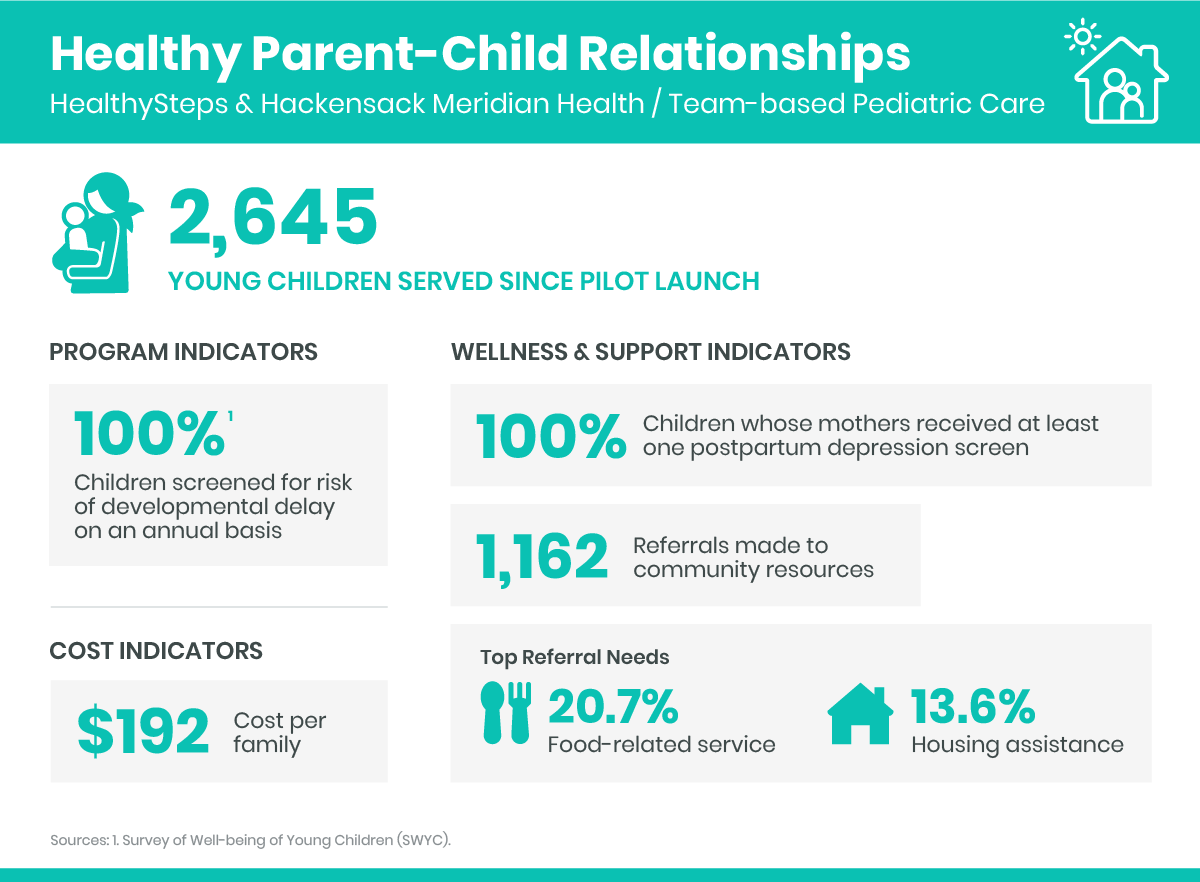
As part of our First 1,000 Days strategy, Burke is partnering with Hackensack Meridian Health, the Turrell Fund, and ZERO TO THREE to serve 2,000 families annually through a HealthySteps pilot at HMH sites across New Jersey.
- By the numbers: Since launching in February 2021, the pilot has served 2,645 young children, all of whom received developmental and emotional screenings; screened 100% of mothers for depression; and made 1,162 referrals to community resources.
Go deeper: A recent USA Today article details the developmental, social, and language delays among children born during or shortly before the pandemic and how programs like HealthySteps help relieve parental distress.